
B.R. Hills Arabica, Honey Process
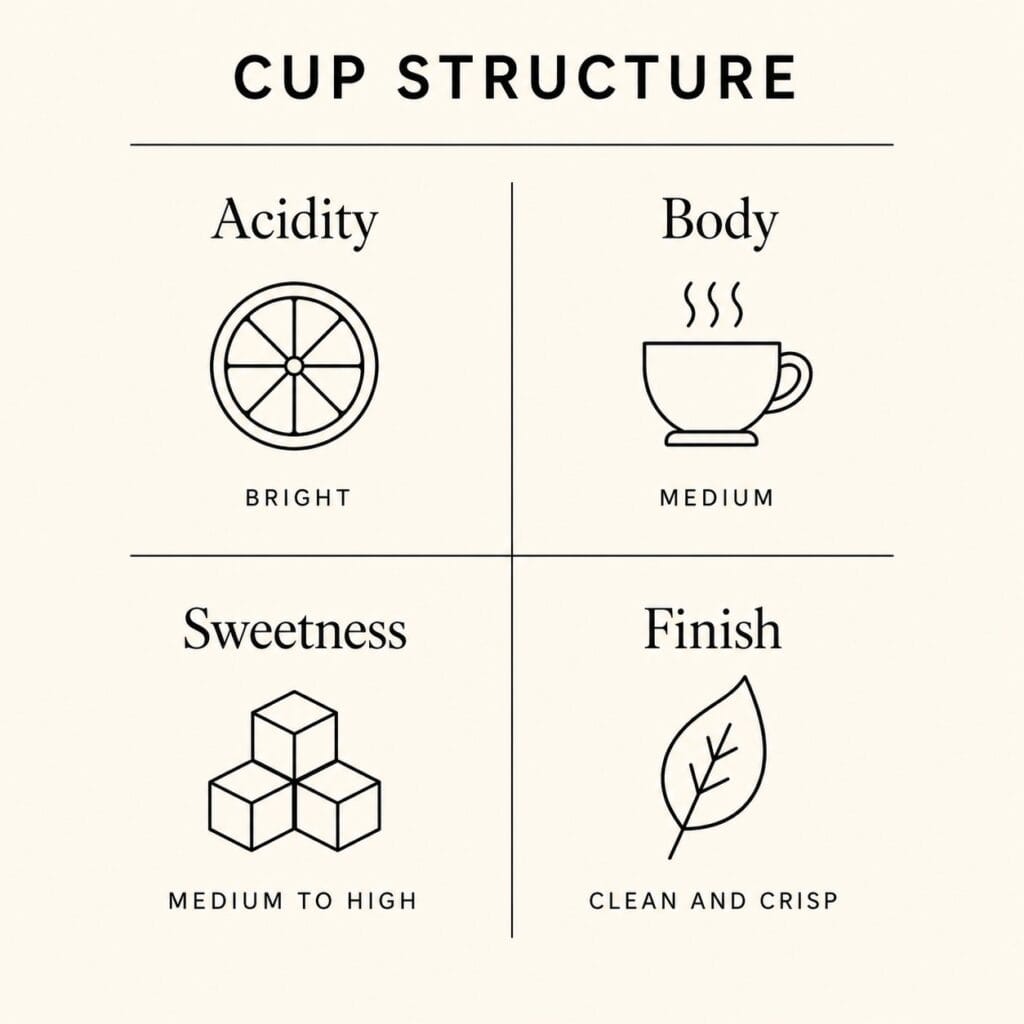
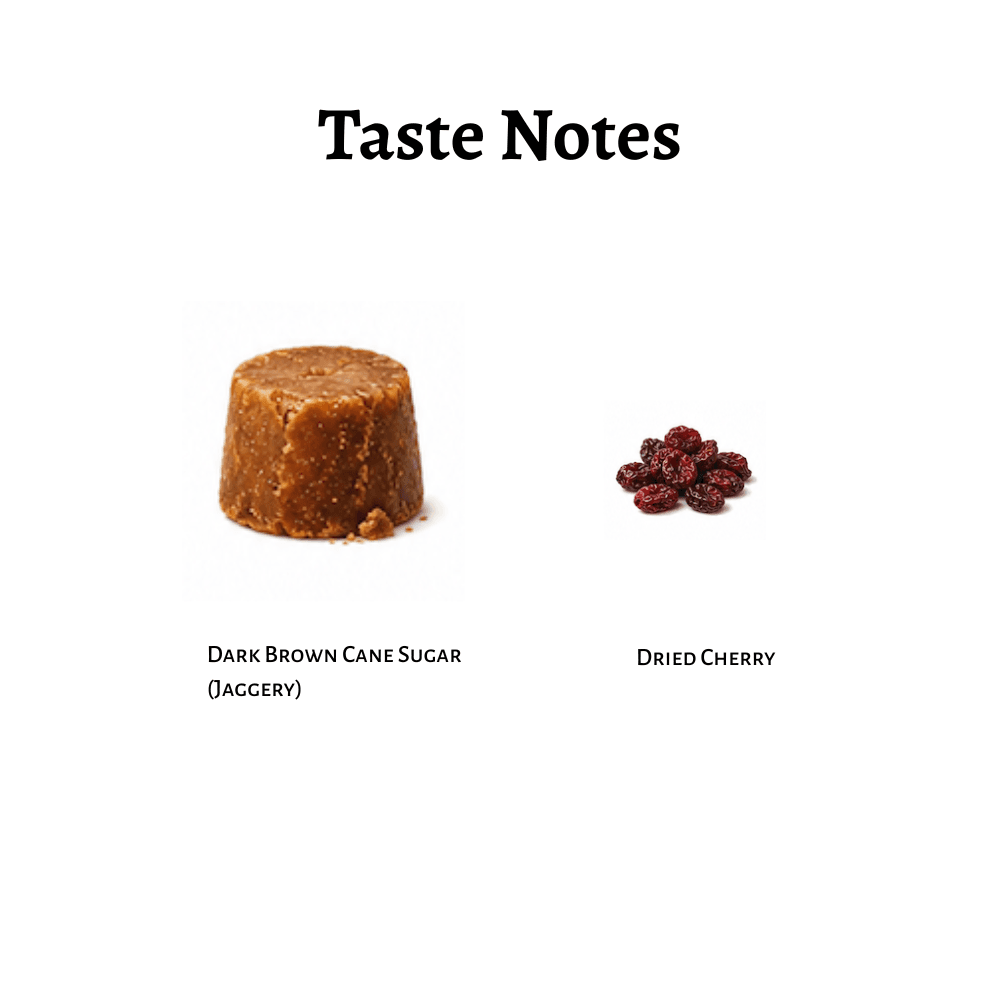
B.R. Hills, Arabica, Honey is an SLN9 varietal grown at 1,000 to 1,200 metres in the moist deciduous forests of B.R. Hills, Karnataka, within one of South India’s most biodiverse coffee growing regions. The cherries are pulp sun-dried on raised beds rather than washed, a method that retains natural sugars through drying and builds sweetness and complexity into the finished cup. Roasted medium-light, this lot delivers a clean, crisp cup with notes of jaggery and dried cherry, carried by a bright natural citrus acidity.
This coffee is sourced through our partnership with Black Baza Coffee, a direct trade company working with smallholder growers across the Western Ghats and Nilgiris.
Origin
B.R.Hills, Chamarajanagar, Karnataka
Process
Honey, Pulp Sun-dried
Variety
Arabica (SLN9)
Elevation
1,000 - 1,200 MASL
Cup Profile
Dark Brown Cane Sugar , Dried Cherry
Ready to source this coffee?
Have questions first? Get in touch
Flavor Journey
Roast approach
Medium-light roast is how this lot is roasted, chosen specifically to preserve the natural sweetness and citrus acidity the honey process builds into the cherry during drying. At this roast, jaggery and dried cherry notes stay vivid rather than flattening into generic sweetness, and the bright acidity remains fully intact rather than being roasted out.
Honey processed coffees like this one are more roast-sensitive than washed lots, pushing past medium-light risks muting the citrus brightness that defines the cup, while underdeveloping it can leave the acidity sharp rather than balanced. The current profile threads that needle, giving a cup that’s sweet and crisp without tipping into either extreme.
Pour-over is the recommended method for this lot: a medium grind, 15 grams of coffee to 250ml of water, poured in slow circular motions and allowed to bloom and filter naturally. This brings out the citrus brightness and clean, crisp character most clearly. Immersion methods like French press will mute some of that brightness in favor of body, but not where this lot is strongest.
Why Roasters Choose This Coffee
B.R. Hills, Arabica, Honey comes from Karnataka’s B.R. Hills, grown at 1,000–1,200 metres in moist deciduous forest, the same biodiverse landscape behind other lots from this region. What sets this coffee apart is process: pulp sun-dried on raised beds rather than washed, giving the SLN9 varietal a clean, sweet, crisp cup built around natural citrus acidity and notes of jaggery and dried cherry.
Roasters value this lot as much for the story behind its processing as for the cup itself. This coffee is the product of a collaborative shift in practice: a group of growers introducing post-harvest fermentation to a community previously distanced from specialty coffee. That shift in technique is directly responsible for the complexity and sweetness this lot delivers, a clear example of smallholder capacity building translating into cup quality.
This lot is sourced through a direct trade relationship with named smallholder growers rather than commodity trading channels, keeping the coffee traceable back to the specific sourcing partner and the growers behind this lot.
Why Roasters Choose B.R. Hills, Arabica, Honey:
- A honey process lot built on genuine post-harvest innovation introduced by the growers themselves
- A distinctive citrus-forward cup profile within the region’s lineup
- Grown under native forest canopy in one of India’s most biodiverse coffee regions
- Fully traceable back to a specific grower collective
- Sourced through a direct trade relationship rather than commodity channels
Behind the Cup
Potter Wasp is the name Black Baza Coffee Co. gives to this lot in their own catalog. Founded in 2016 by Arshiya Bose, Black Baza Coffee is a Bangalore-based direct trade company working with smallholder producers across four regions of the Western Ghats and Nilgiris: B.R. Hills, Palani Hills, the Nilgiris, and Wayanad.
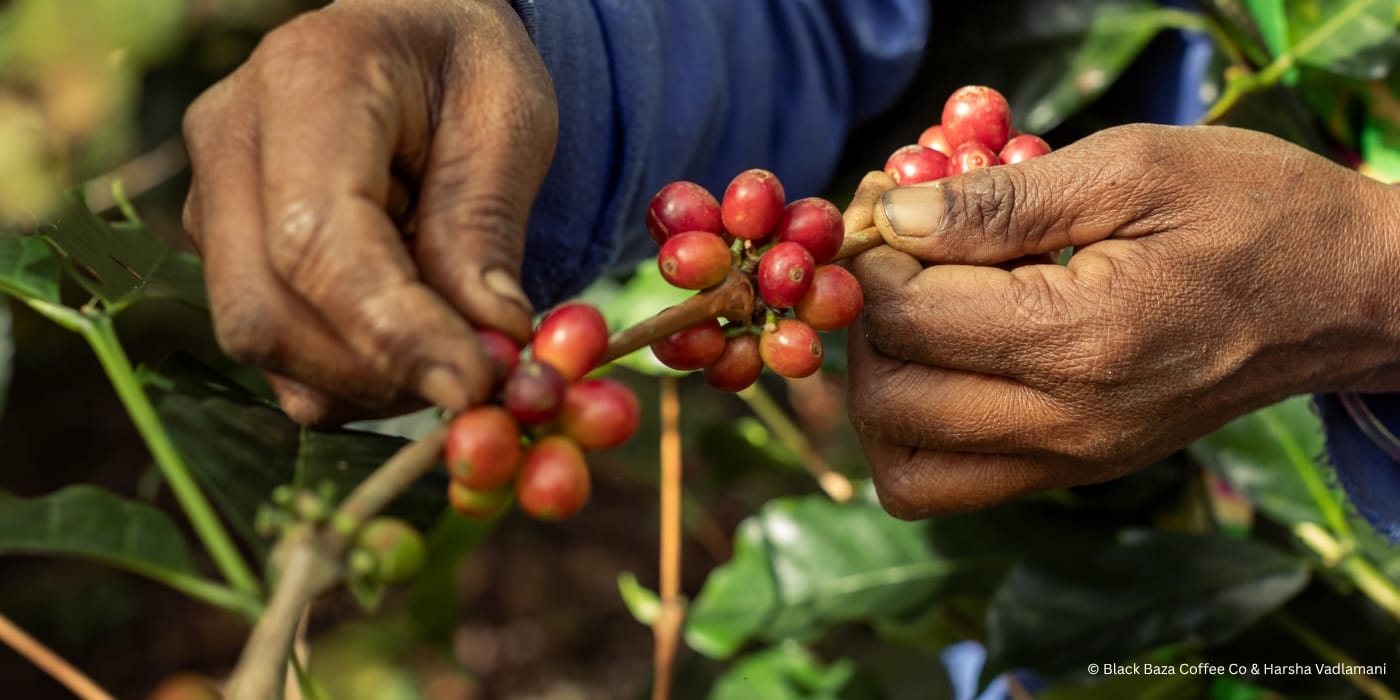
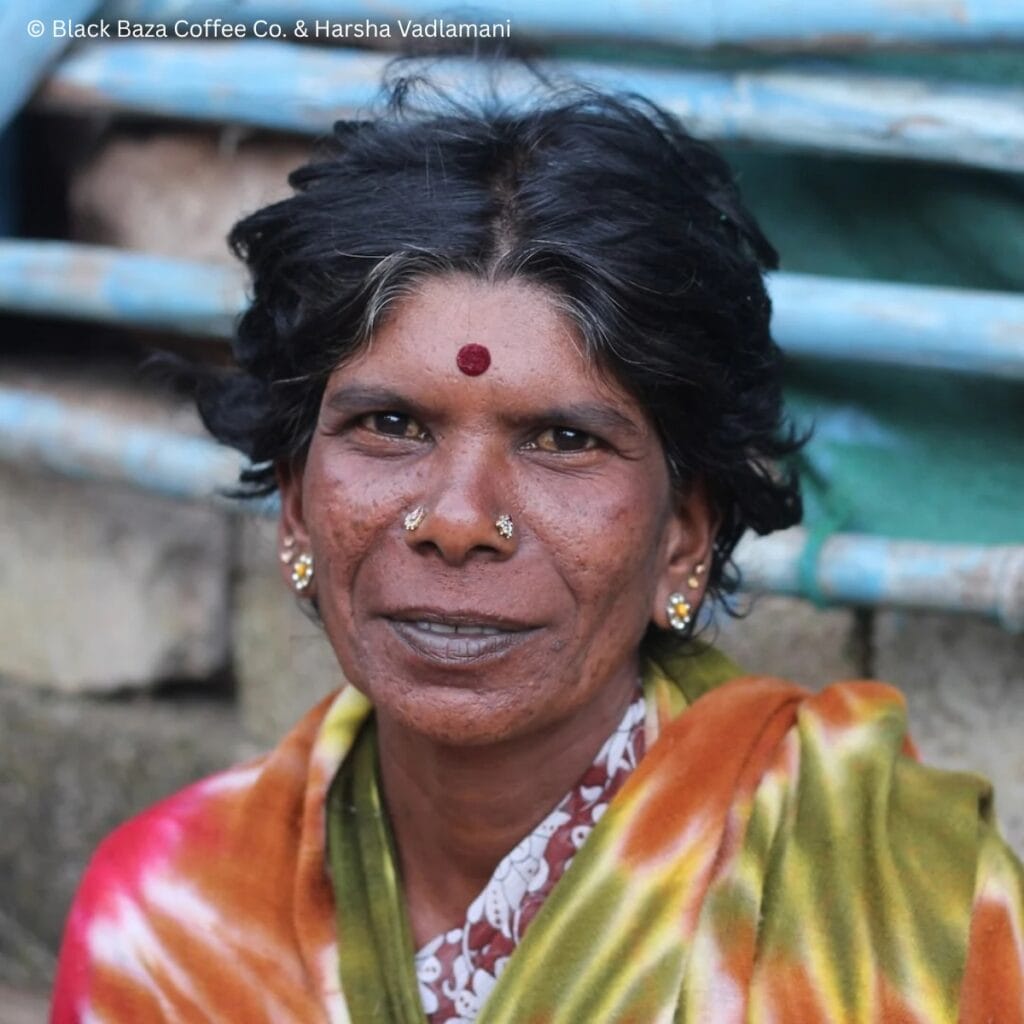
This honey-process lot was pioneered by five grower couples in the B.R. Hills collective, including Basamma, who developed the technique themselves — hand-picking and segregating the ripest cherries before pulping and drying them on raised beds to build a sweetness and complexity their region hadn’t grown before.
Black Baza Coffee’s pricing structure pays growers well above commodity rates, rewarding quality and biodiversity practice rather than volume alone.
The name Potter Wasp comes from a solitary insect known for building precise, sculpted mud nests for its young, one of several coffees Black Baza has named after species native to the forests its growers farm alongside.
India Coffee Company sources this coffee through our partnership with Black Baza Coffee, making this B.R. Hills Arabica lot, known to Black Baza Coffee as Potter Wasp, available to North American specialty roasters.
Key facts:
- Sourcing partner: Black Baza Coffee, founded 2016, Bangalore
- Growers: Five grower couples, B.R. Hills collective, including Basamma
- Farming: Non-certified Organic
- Also known as: Potter Wasp
Ready to source this coffee?
Have questions first? Get in touch
About BR Hills Arabica, Honey Process Coffee Lot
B.R. Hills sits at the meeting point of the Western and Eastern Ghats, a landscape of moist deciduous forest that supports one of South India’s most biodiverse coffee growing regions. Coffee here grows under native shade rather than displacing it, a growing model that depends on farmers maintaining forest structure rather than clearing for higher yields. Elevations in this part of B.R. Hills sit close to 1,000–1,200 metres, cool enough to slow cherry ripening and build the density and complexity that growers depend on.
Honey processing depends on careful selection at harvest: cherries are hand-picked and segregated to remove any underripe or low-density fruit before pulping, ensuring only the best material moves forward to drying. Once pulped, the cherries dry on raised beds rather than washed, improving air circulation and producing a more even, controlled drying process than conventional methods allow. This extra step is part of why honey processed coffees develop a sweeter, more complex profile than a standard washed Arabica typically produces.
The SLN9 varietal is valued for its cup quality and its ability to carry the citrus brightness and complexity this processing method builds, performing well under the shade, lower-input conditions typical of B.R. Hills smallholding.
Coffee in B.R. Hills is grown almost entirely as an understorey crop, planted beneath multiple canopy layers of native trees rather than in open sun. This shade structure moderates temperature swings, slows cherry ripening, and adds leaf litter that builds organic matter in the soil — all factors that contribute to the density and complexity found in this lot’s cup.
Agronomy and growing conditions:
- Forest type: Moist deciduous
- Elevation: 1,000–1,200 MASL
- Varietal: Arabica SLN9
- Region: B.R. Hills, Karnataka
- Growers: Five grower couples, B.R. Hills collective
This coffee is part of India Coffee Company's Black Baza Coffee sourcing programme, which also includes:
B.R. Hills Arabica, Washed
- Arabica (Chandragiri)
- Washed
- 1,000 - 1,200 MASL
- B.R. Hills, Karnataka
- Dark Chocolate, Brown Sugar
Wayanad Robusta, Natural
- Robusta
- Natural, Sun-dried
- 700 - 900 MASL
- Wayanad, Kerala
- Dark Chocolate, Tobacco, Spice
Palani Hills Arabica, Washed
- Arabica (Mixed )
- Washed
- 1,000 - 1,300 MASL
- Palani Hills, Tamil Nadu
- Burnt Caramel, Toasted Nuts, Cocoa
B.R. Hills Arabica, Peaberry, Washed
- Arabica (SLN-9)
- Washed - Peaberry
- 1,000 - 1,200 MASL
- B.R. Hills, Karnataka
- Cherry, Milk Chocolate, Fruits & Nuts