
Pambukal Estate
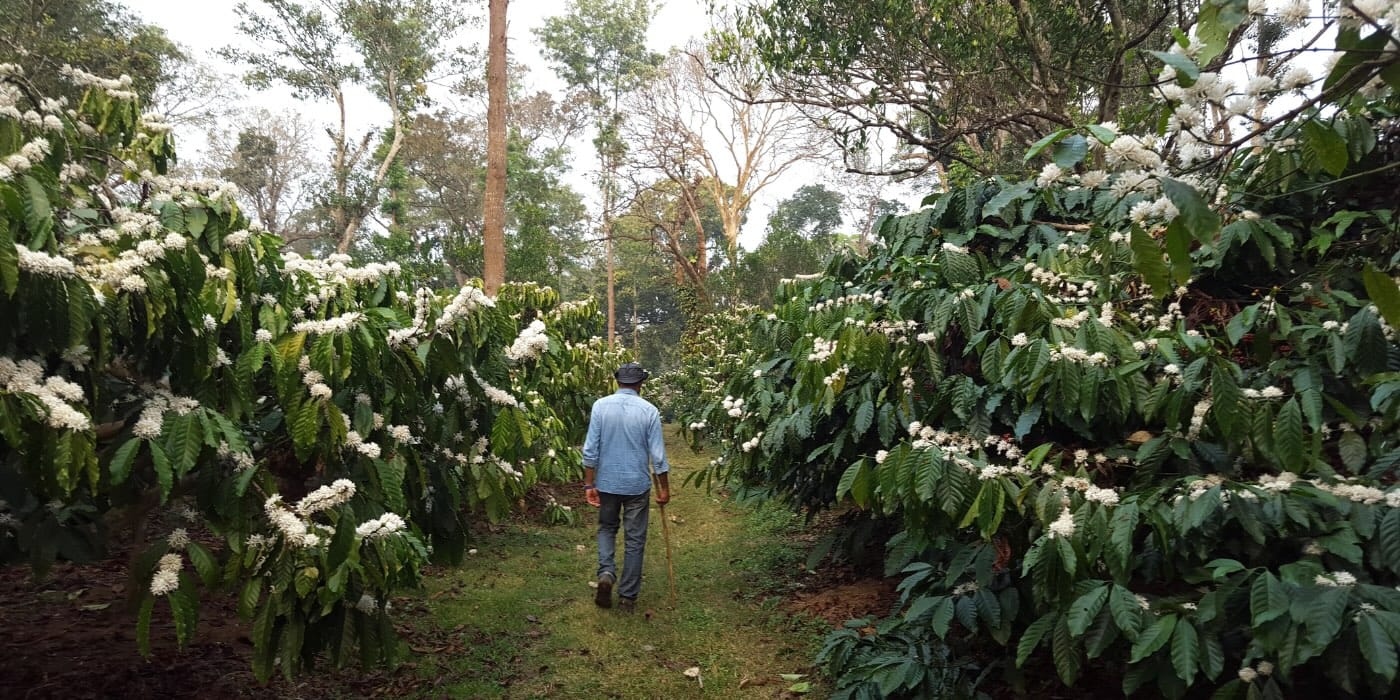
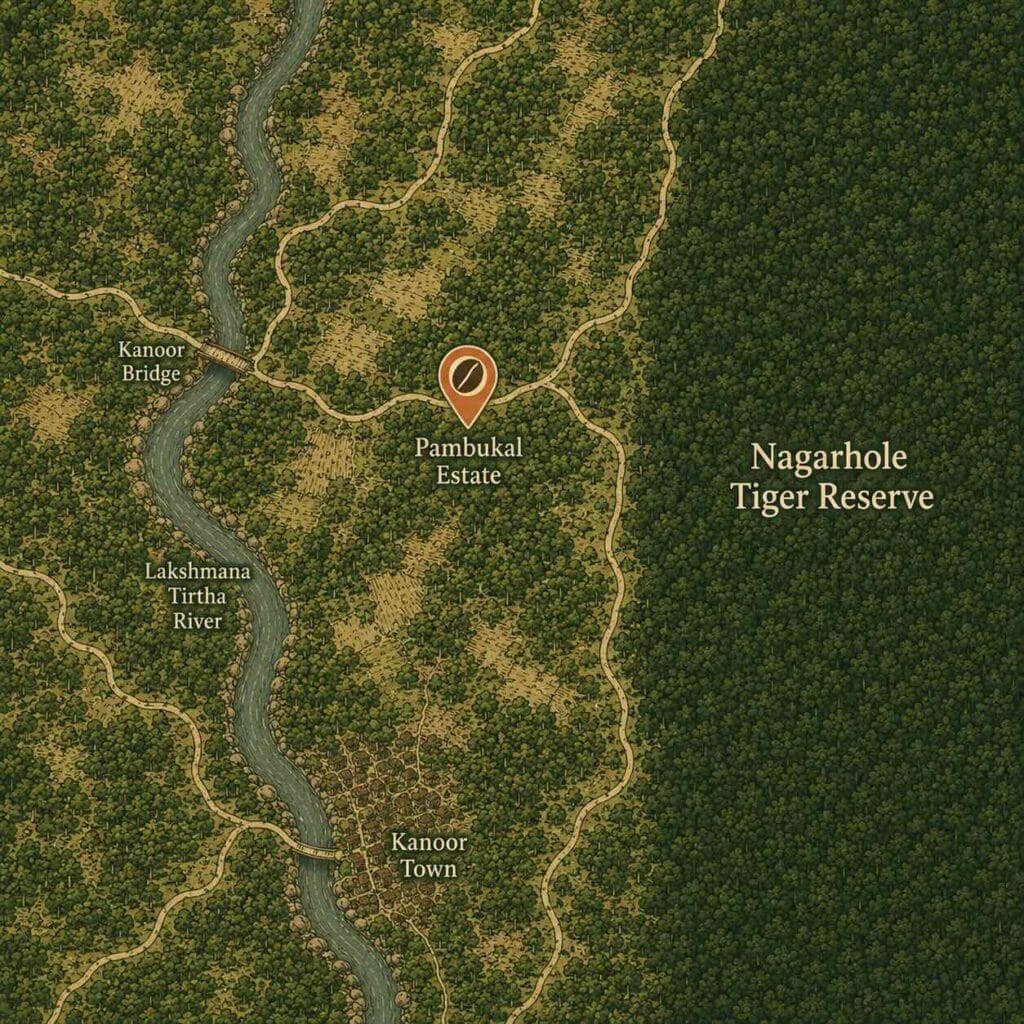
A three generation coffee estate in Kanoor Village, Kodagu, farming shade-grown Robusta agroforestry roughly 500 metres from the Nagarhole Tiger Reserve.
Pronounced: PAAM-boo-kal
Pambu = snake
Kal = rock
Named for a snake-shaped rock on the estate
Location
Kanoor, Kodagu, Karnataka
Crop
Robusta
Farming Model
Agroforestry, Integrated Shade Farming
Heritage
Three Generation Family Estate
Interested in sourcing from this estate?
Have questions first? Get in touch
About Pambukal Estate
Pambukal Estate sits in Kanoor Village, Kodagu, roughly 500 metres from the Nagarhole Tiger Reserve. The estate is owned by Vaanu Timaya, whose grandfather, Chottekamada Aiyamma, planted the first coffee here in the 1950s. His son, Chottekamada Aiyanna, continued the estate, and it is farmed today by the third generation of the same family.
The estate spans about 30 acres at 800 metres above sea level, growing Robusta under an agroforestry system that intercrops pepper alongside native forest trees. Its proximity to Nagarhole gives the estate a direct edge-of-forest growing environment, coffee cultivated within reach of one of Karnataka’s core tiger reserve ecosystems rather than at a remove from it.
The estate takes its name from a rock formation on the land resembling a cobra’s hood, Pambu-Kal, Kannada for snake rock, a landmark that has stood on the property since before the estate itself was planted.
Key facts:
- Estate: Pambukal, Kanoor Village, Kodagu
- Founded: 1950s, by Chottekamada Aiyamma
- Size: approximately 30 acres
- Elevation: 800 MASL
- Crop: Robusta, intercropped with pepper and native forest trees
The Story of Pambukal Estate
Chottekamada Aiyamma planted the first coffee at Pambukal in the 1950s, on land roughly 500 metres from what is now the Nagarhole Tiger Reserve. His son, Chottekamada Aiyanna, took on the estate after him, continuing to farm Robusta under the same forest-edge conditions across a second generation.
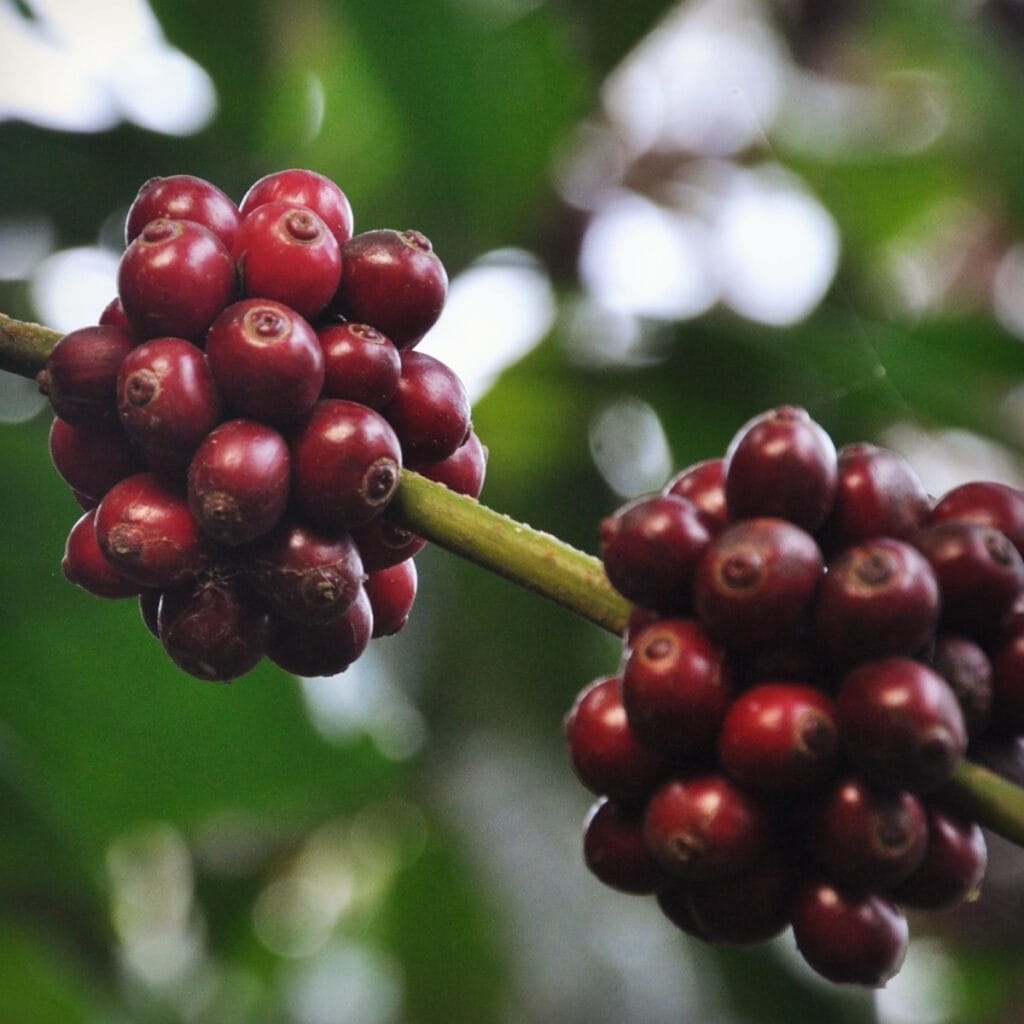
Vaanu Timaya, the third generation to farm this land, planted his own first coffee sapling here at sixteen years old. Those trees are now over thirty years old and still bearing cherries, a living continuity running through the estate’s history.
The Pambu-Kal rock, the snake-shaped stone formation the estate takes its name from, has stood on the property since before Aiyamma first planted coffee here, a fixed landmark across all three generations of the family’s work on this land.
India Coffee Company sources green coffee directly from Vaanu Timaya at Pambukal Estate, making this three-generation, forest-edge Kodagu producer available to North American specialty roasters.
Interested in sourcing from this estate?
Have questions first? Get in touch
Why Roasters Choose Coffee from Pambukal Estate
Pambukal offers roasters a Robusta grown at the literal edge of protected forest, roughly 500 metres from the Nagarhole Tiger Reserve, under an agroforestry system that intercrops pepper alongside native trees rather than isolating coffee as a single crop.
At 800 metres, this Robusta grows higher than most commodity Robusta grown at low elevation for volume, and the estate’s natural, sun-dried processing builds sweetness and body into the bean during drying rather than relying on washing to define the cup. Combined with the shade and biodiversity that proximity to Nagarhole brings to the land, this is a Robusta shaped by forest-edge growing conditions as much as by variety.
Three generations of the same family have farmed this land since the 1950s, giving the estate a direct, uninterrupted relationship between grower and land that few Robusta sources of comparable scale can offer.
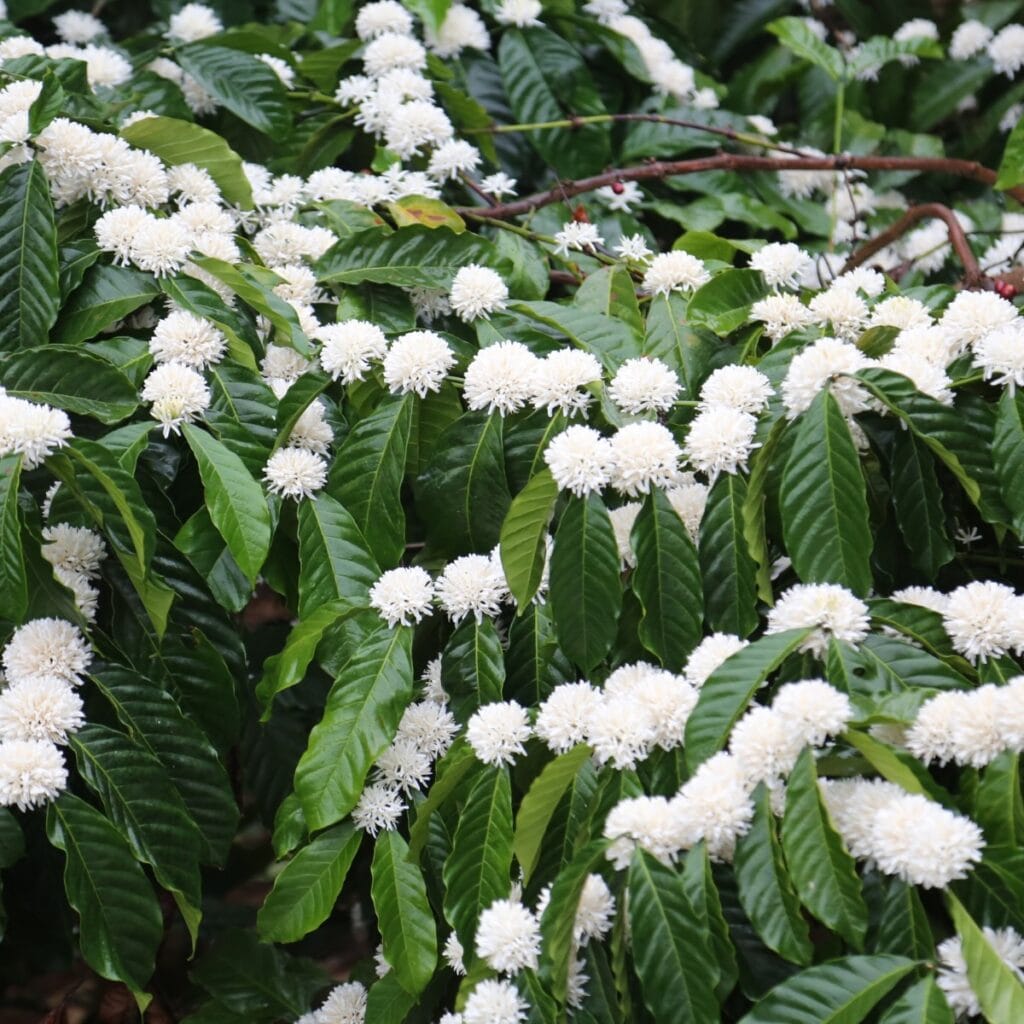
Pambukal Estate Processing Innovation
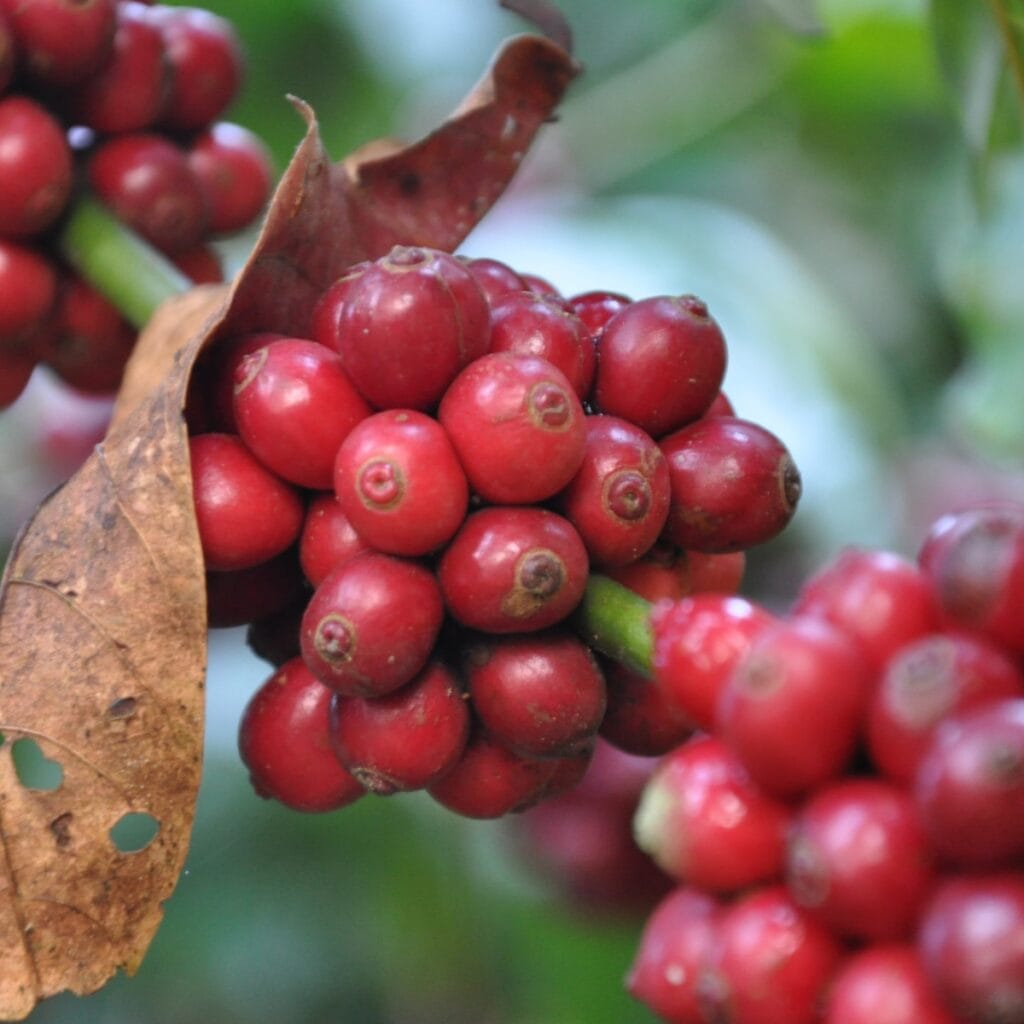
Coffee at Pambukal is processed naturally, sun-dried with the cherry left whole rather than pulped before drying. As the cherry dries around the bean, sugars and compounds from the fruit ferment into it, building body and sweetness that a washed process would strip away, a method well suited to Robusta, which benefits from the added sweetness and reduced perceived bitterness natural processing can bring to the cup.
Drying takes place in the open sun, a traditional approach that depends on consistent turning and monitoring to dry the cherry evenly and avoid over-fermentation or mould, particularly given Kodagu’s humidity and monsoon-influenced climate.
Coffee from this estate is made available as part of India Coffee Company's Coorg sourcing programme, which also includes:
Coorg Arabica, Natural, Herb Fermented, Sandalkad Estate
- Arabica (Mixed)
- Herb Fermented, Natural
- 1,000 - 1,200 MASL
- Kodagu (Coorg), Karnataka
- Cardamom, Coconut, Passion Fruit, Lavender, Orange, Cinnamon
Coorg Robusta, Washed, Fermented, Sandalkad Estate
- CxR (Canephora x Congensis)
- Washed, Fermented
- 800 - 1,000 MASL
- Kodagu (Coorg), Karnataka
- Dark Chocolate, Warm Spice
Coorg Peridinia Robusta, Red Honey, Riverside Estate
- Old Peridinia (Robusta)
- Anaerobic Red Honey
- 800 - 1,000 MASL
- Kodagu (Coorg), Karnataka
- Stone Fruit, Peach, Dark Chocolate
Coorg Robusta, Washed AA, Pambukal Estate
- Robusta
- Washed
- 700 - 900 MASL
- Kodagu (Coorg), Karnataka
- Cola, Black Pepper, Walnut, Cedar
Coorg Peridinia Robusta, Natural, VPG Estate
- Old Peridinia (Robusta)
- Natural, Sun-dried
- 700 - 900 MASL
- Kodagu (Coorg), Karnataka
- Cocoa, Popcorn, Tobacco, Cedar